alternative resource governance systems Resource management, community involvement, and public space. Brussels, Belgium. 2021 - 2023
/// Bottom-up fine-grained um analysis.
///. Institution: LAB UCLouvain///. PhD research: Daniel Otero Peña ///. Supervisors: Daniela Perrotti (UMlab LAB UCLouvain) and Pierre Vanderstraeten (LAB UCLouvain) ///. Funding: Assistant position at LOCI UCLouvain.
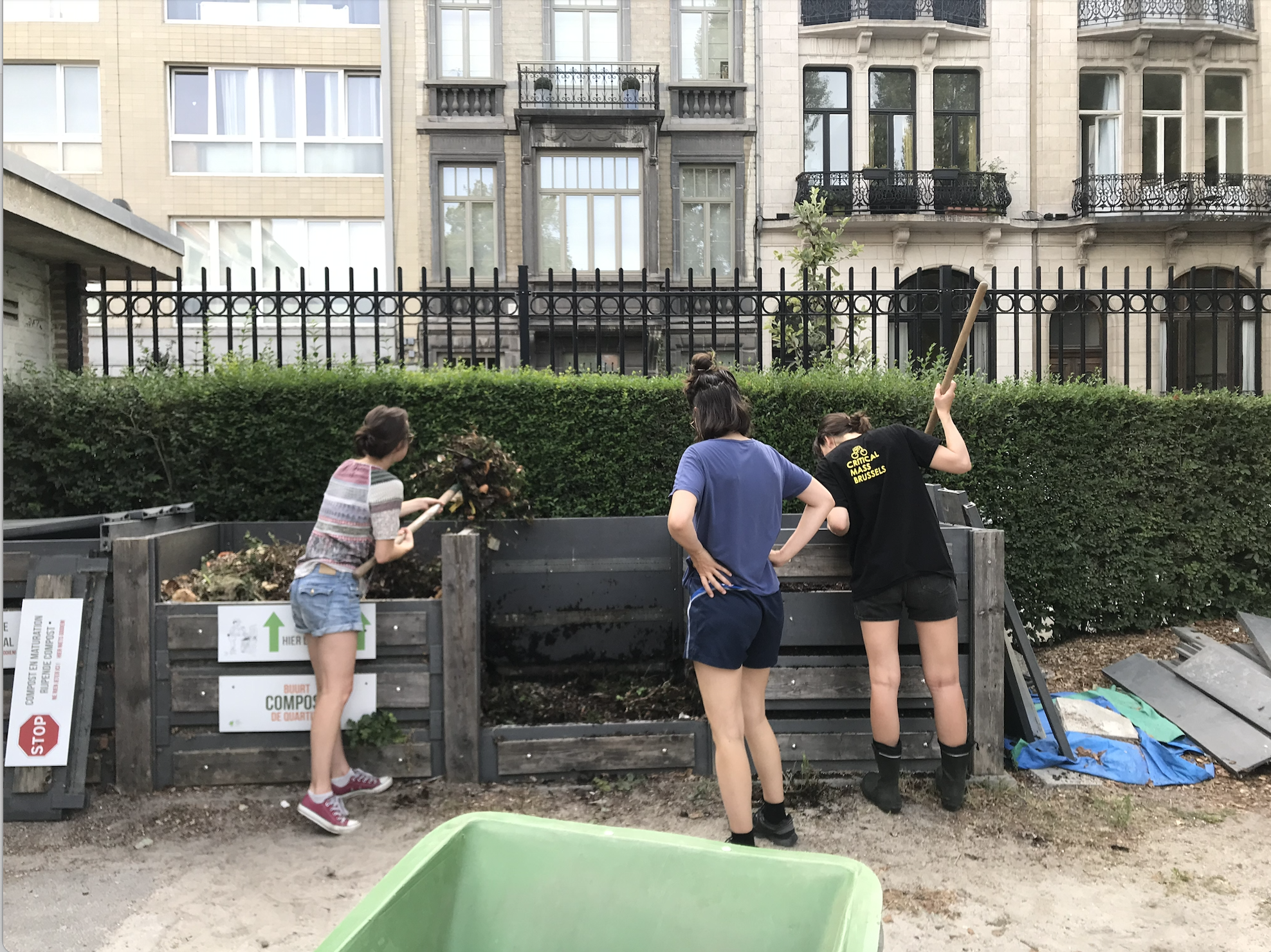
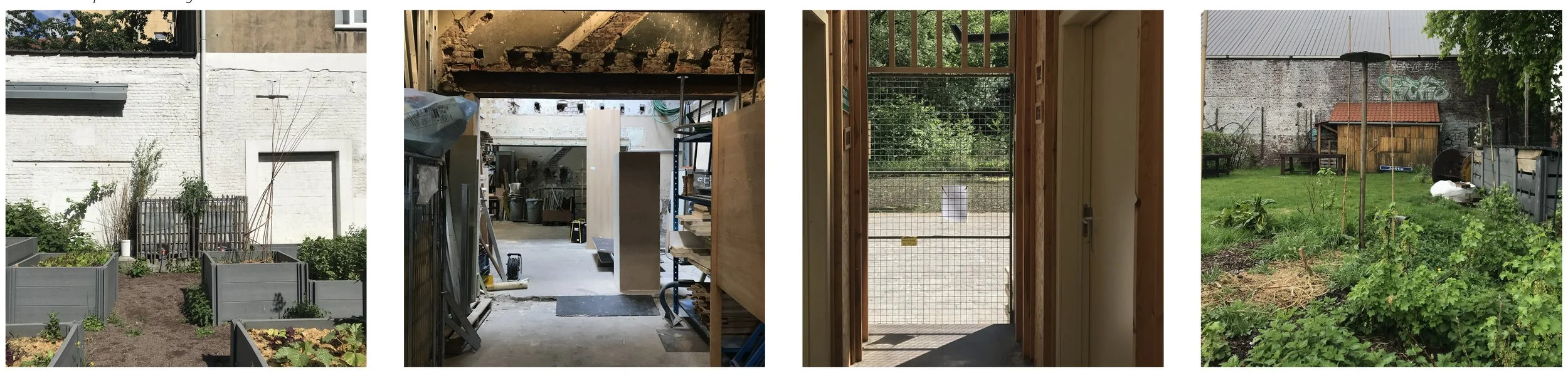
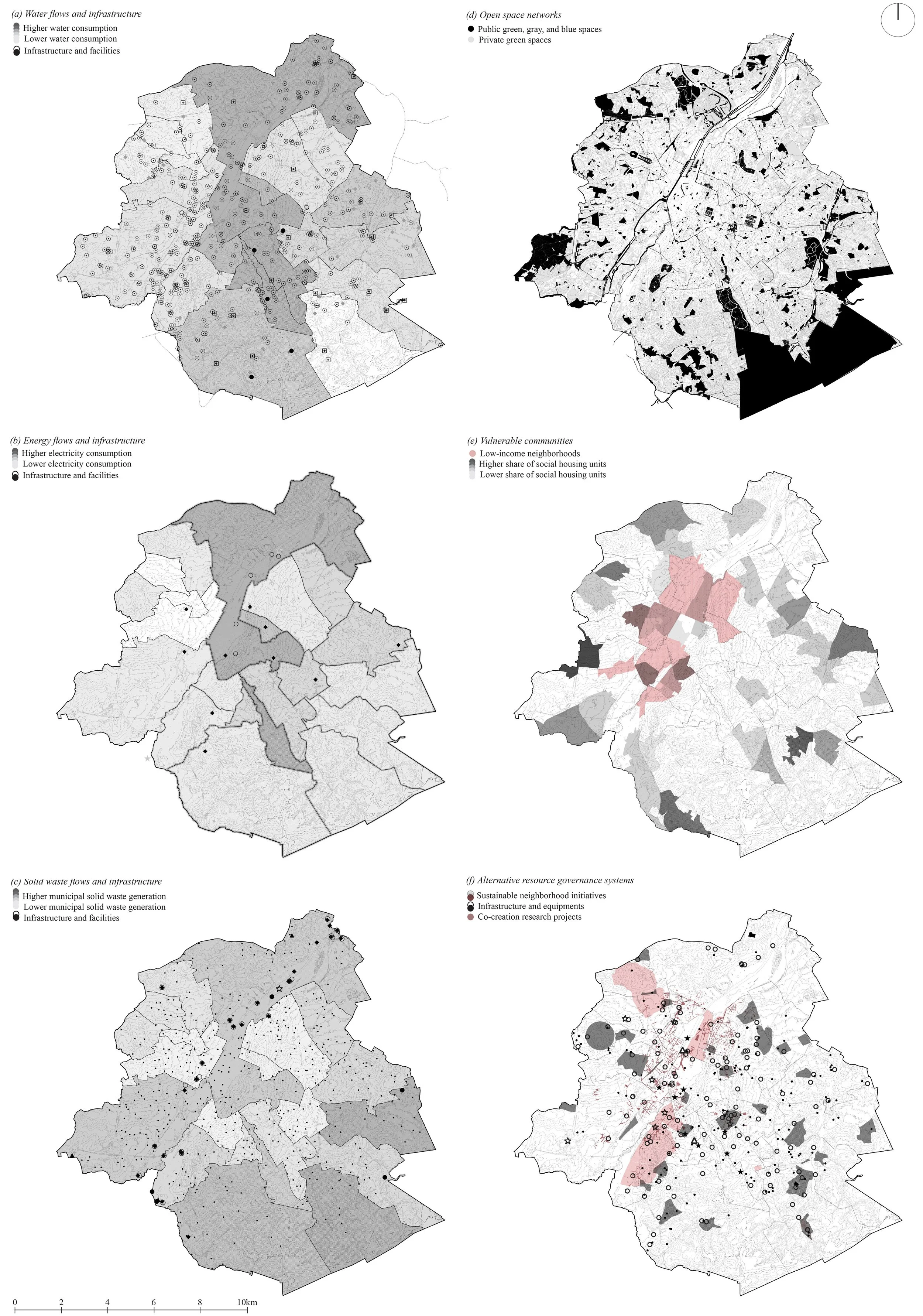
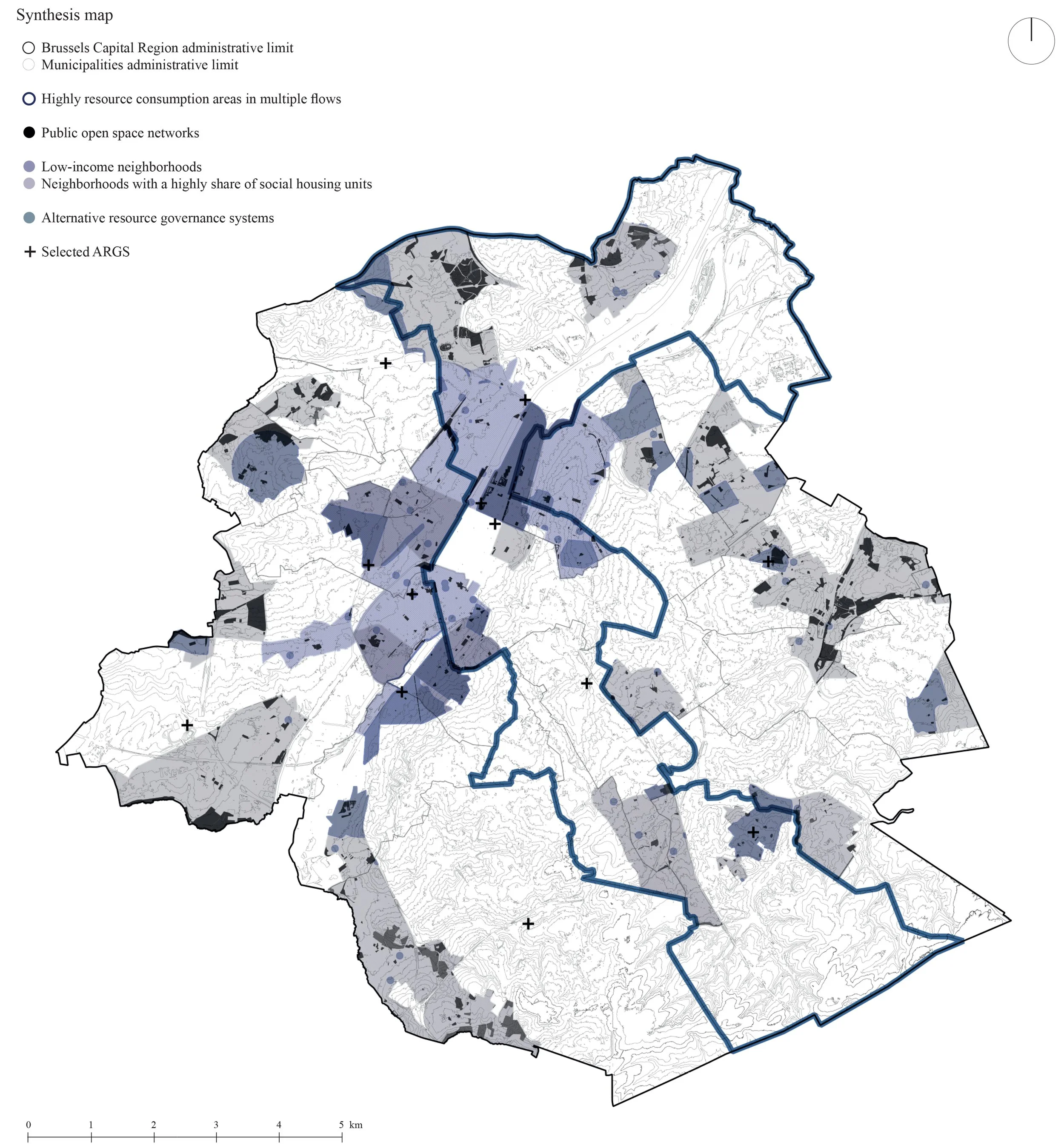
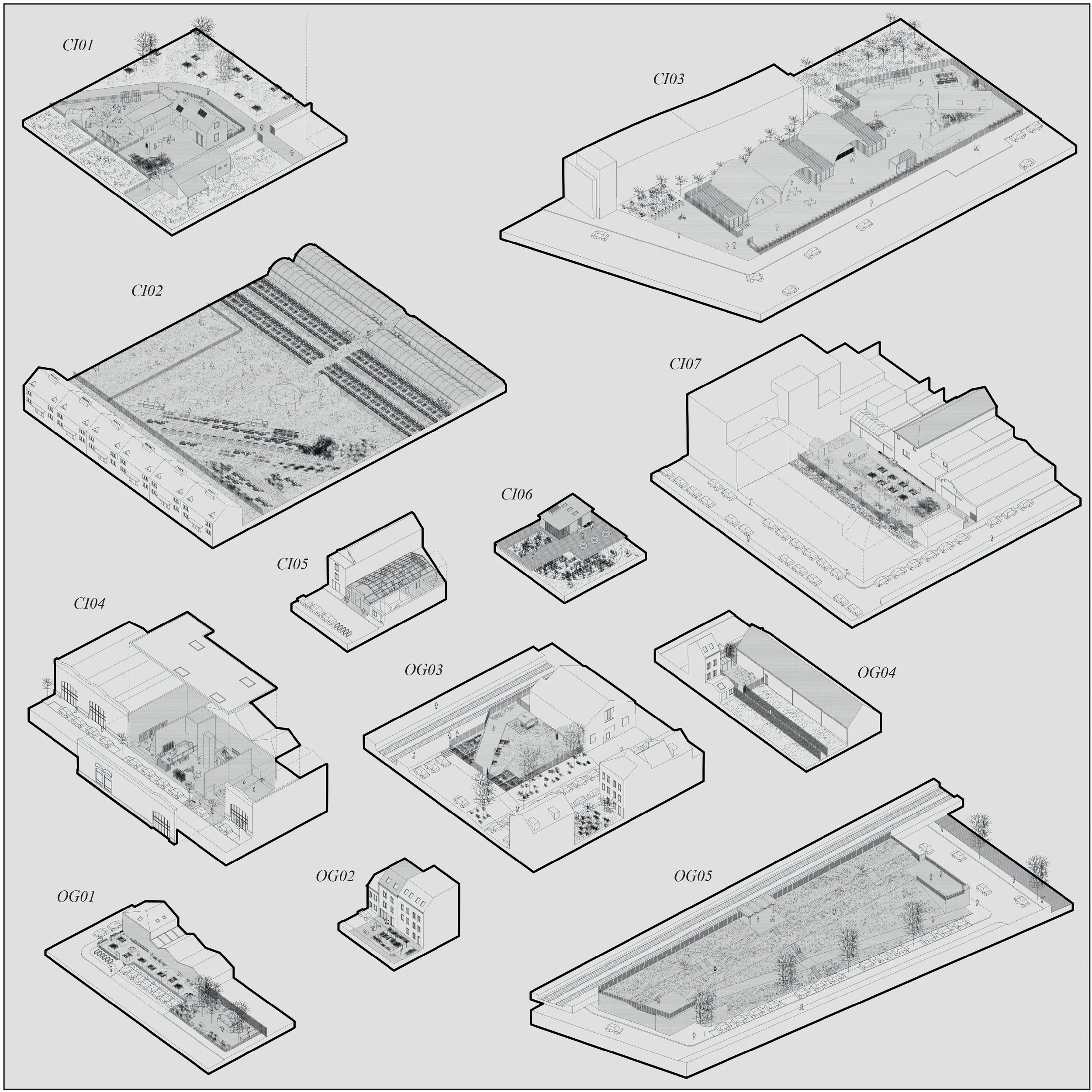
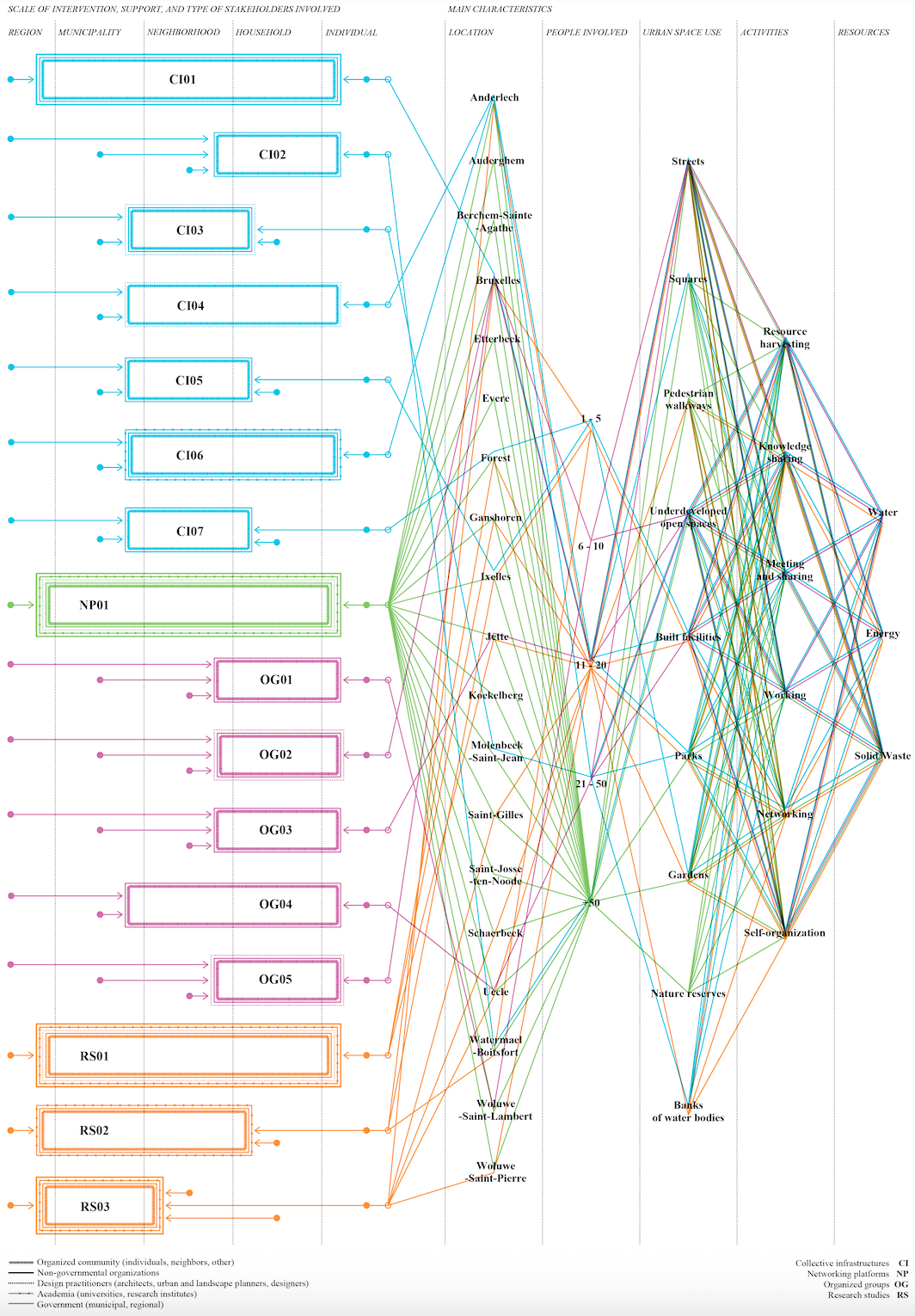
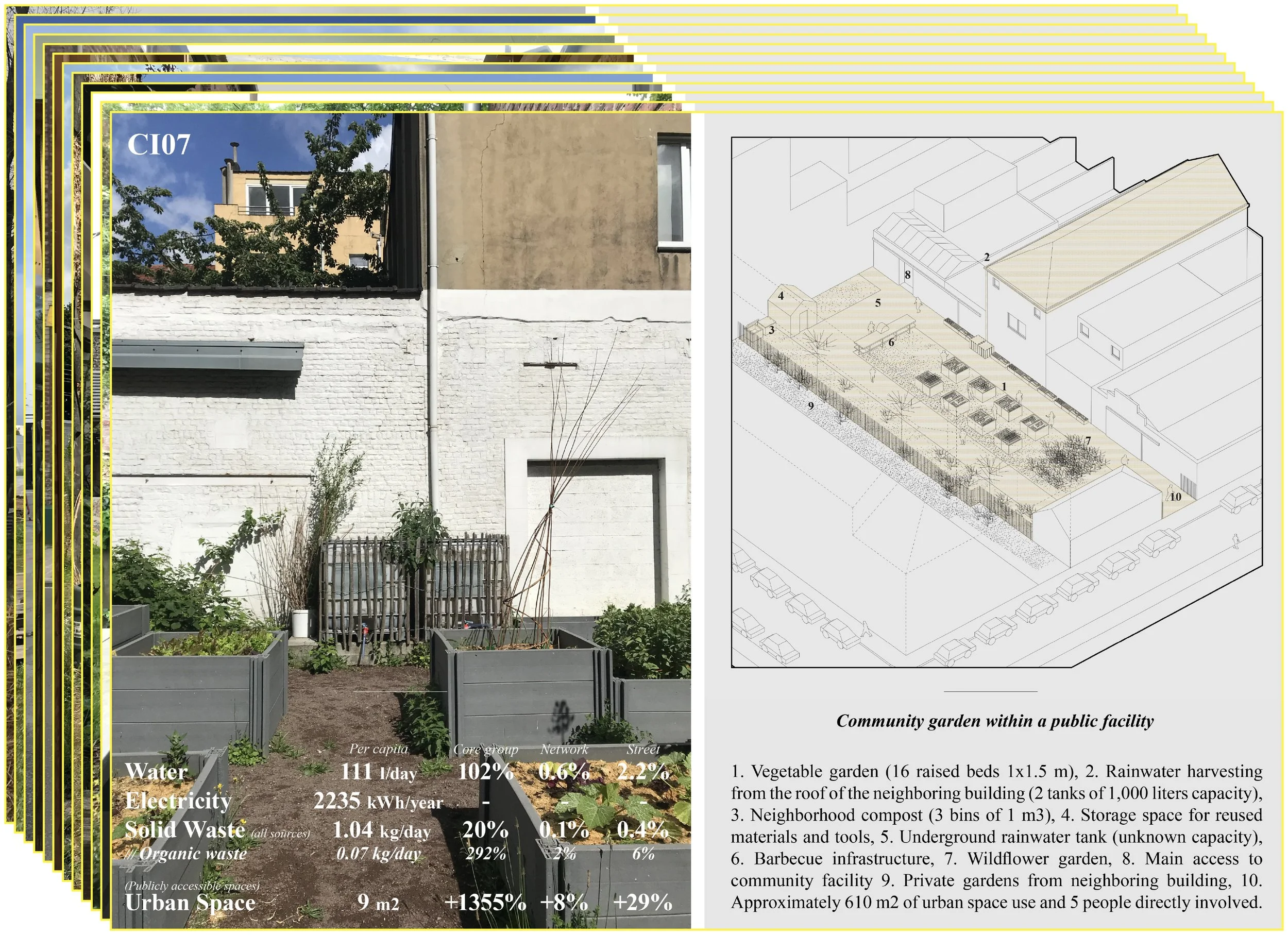
Implementing Urban Metabolism (UM) frameworks in urban design holds significant potential for developing strategies to reduce urban resource consumption. However, recent UM studies have often overlooked the practical application of their results by design practitioners. Integrating refined spatially explicit data from alternative resource governance systems (ARGS) can help the development of design strategies based on the stakeholders involved and socio-ecological activities and practices observed, enhancing the applicability of resource-sensitive and community-led urban design strategies. Our study introduces a methodological approach that combines data based on in-depth fieldwork in a case-study city (Brussels Capital Region, Belgium), including geographical information system (GIS) mapping, 3D spatial modeling, and semi-structured interviews with ARGS. The results highlight the substantial impact of ARGS in increasing the per capita area of publicly accessible spaces (more than 20%) and resource management at different scales, while showing that only one-third of those ARGS are located in areas with vulnerable communities and municipalities with high resource consumption. Furthermore, they point to recommendations for design practitioners to integrate specific features into urban regeneration projects (e.g., revitalize neglected sites in collaboration with neighboring communities) and categorize different types of spaces underpinning ARGS (spaces for resource management, working activities, and meeting and sharing). This study contributes to the applicability of UM in urban design by leveraging a bottom-up, finer-grained UM assessment, complementary to more widely-used top-down city-scale approaches. Combination of both approaches can help shed light on site-specific socio-ecological activities and practices that can function as drivers for increased resource efficiency and community involvement.